
The guitar is one of the most great inventions in modern music because it can play rhythm, melody, and texture at the same time. When you’re playing, you’re making decisions about tone, timing, and sound and those decisions shape the identity of a song and the identity of a band. Some people only think of the guitar as a solo instrument, but the best guitar players understand that the real power comes from how the guitar interacts with bass, drums, and arrangement.
A serious list of the greatest guitarists isn’t about hype. It’s about impact, how a player changed the way others hear music, how they expanded style, and how their records and live performances shaped entire genres. You’ve definitely heard the fingerprints of these names in rock, metal, and flamenco, even if you don’t fully know their catalog yet.
This is a top list of five: Dimebag Darrell, David Gilmour, Jeff Beck, Eddie Van Halen, and Paco de Lucía. Each guitarist made the instrument speak in a new language. Each one belongs in the conversation about the greatest.
1) Dimebag Darrell — The Groove Metal Guitar King
Dimebag Darrell (Darrell Lance Abbott) is widely considered one of the greatest metal guitarists of all time, and his sound is instantly recognizable. As a player, he combined hard-hitting rhythm chords with explosive lead solos, often switching between riff power and solo expression within the same section of a song. That ability, tight rhythm and wild solo playing, is part of what makes him a truly great guitarist.
Pantera’s classic period includes the albums Cowboys from Hell and Vulgar Display of Power, both landmark records in heavy music. Dimebag’s guitar tone sits aggressively in the mix, but it also locks tightly with the bass, giving the band its massive groove. You can hear it across those songs: the riff doesn’t just support the song, it drives it. That’s why he’s always on any top list of metal guitarists.
A lot of young players don’t realize how hard it is to be both technical and musical at the same time. Dimebag could play fast, but he also had an ear for melody and phrasing. His solos are studied because they’re not just speed: they’re personality. Tragically, he was murdered on December 8, 2004, during a live performance with Damageplan. But his influence remains massive, and many modern guitarists still listen to his records to understand heavy groove, tone, and timing.

2) David Gilmour — The Greatest Lesson in Tone and Space
David Gilmour is a great example of a guitarist who doesn’t rely on speed to be in the top tier. He joined Pink Floyd in 1967, and his guitar became central to the band’s emotional identity. His style is built on sustain, timing, and melodic phrasing, which is why his solos are some of the most recognizable in rock history. When you hear just a few notes, you immediately know it’s him.
On songs like “Time” and “Comfortably Numb”, Gilmour’s solos function like vocal storytelling. The guitar isn’t showing off; it’s expressing emotion. His tone and vibrato are studied by countless guitar players because his work proves that the best solos are often simple in notes but deep in meaning. His guitar sound is about control: where to place the note, how long to hold it, and how to shape it.
Young guitarists often want fast results, but Gilmour teaches patience. Many players don’t understand early that a great solo is not about filling space, it’s about choosing the right space. Once you’ve heard Gilmour, it changes the way you hear guitar in rock. That’s why he’s on every serious list of the greatest.

3) Jeff Beck — The Guitarist Who Made Touch a Language
Jeff Beck is one of the most respected guitarists in modern music history, often described as a guitarist’s guitarist. He played with the Yardbirds, then built a solo career where his guitar tone and phrasing could carry entire songs without needing vocals. That alone tells you how powerful his sound was: he could turn the guitar into a voice.
His 1975 album Blow by Blow is a landmark instrumental record—one of the most important guitar-led records ever released. It blends rock, funk, and jazz fusion, and you can hear how Beck’s style focused on dynamic expression rather than repetitive shredding. Many top players consider him one of the greatest because his approach wasn’t about tricks, it was about touch. His control of vibrato, harmonics, and articulation gave him a unique sound.
A lot of people have heard his name but haven’t truly made the time to listen to the music. If you do, you’ll realize why Beck sits high in any list of guitar innovation. The best guitarists don’t only play notes, they shape the air around the note. Beck did exactly that.

4) Eddie Van Halen — The Rock Player Who Rewired Guitar
Eddie Van Halen is one of the greatest rock guitarists of all time because he didn’t just play at a high level, he changed what the instrument could do. If you’ve ever heard two-handed tapping, you’ve heard Eddie’s influence. His band Van Halen released their debut album in 1978, and the instrumental solo “Eruption” became one of the most iconic guitar recordings ever.
Eddie’s guitar sound was bright, aggressive, and articulate. You can hear every note, every harmonic, and every rhythmic detail. His solos weren’t random: they were structured, musical, and full of personality. That’s why he sits at the top of so many lists. Even if you don’t play rock, you still study Eddie because his vocabulary became the foundation of modern lead guitar.
His playing also locked tightly with the bass, giving the band its punch. A great guitarist isn’t isolated; they’re part of the band’s engine. Eddie’s best songs show that balance: technique + groove + song structure. Young players often copy the tapping, but the deeper lesson is how he built riffs, how he phrased, and how he made the guitar feel like a new language.

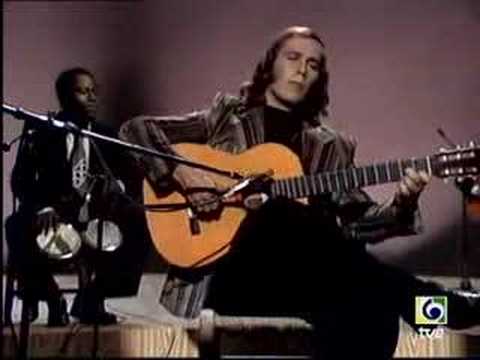
5) Paco de Lucía — Flamenco’s Guitar King of Modern Innovation
Paco de Lucía is widely recognized as one of the greatest flamenco guitarists ever, and his impact on global guitar culture is enormous. His career involved dozens of albums and major collaborations, and his innovations helped expand flamenco’s harmonic and rhythmic vocabulary. His guitar style combined tradition with modern exploration.
His right-hand technique and rhythmic precision are legendary. You can hear the percussive sound of the guitar, the clarity of articulation, and the sophistication of phrasing. Paco’s records show that guitar greatness isn’t limited to rock, it exists in flamenco too, with an equally demanding vocabulary. Even if your main world is rock or blues, Paco is essential because he demonstrates another dimension of guitar mastery.
Paco’s playing is rooted in tradition, but his influence pushed flamenco into new territory. He became a king of the form because he respected its history while evolving it. That’s the definition of greatness: keeping the core while pushing forward.
Why These 5 Guitarists Belong on Every Essential List
This list works because each guitarist represents a different kind of greatness:
- Dimebag: groove metal riffs, aggressive tone, memorable solos.
- Gilmour: emotional phrasing, tone control, melodic solo storytelling.
- Beck: touch, dynamics, expressive innovation.
- Eddie: technique revolution, modern rock vocabulary, riff + solo balance.
- Paco: flamenco mastery, rhythmic authority, tradition + innovation.
If you want to become a better guitar player, don’t only learn their notes. Listen to how the guitar fits the band, how it interacts with bass, and how the sound evolves across albums, records, and live performances. That’s how you move from “playing” to really “playing music.”
Want to practice or play live with a pro-quality sound?
“What makes a guitarist great”
A great guitarist isn’t only a fast player. The best guitarists have a recognizable sound, a musical style, and a sense of time. When you play guitar, you’re not just playing notes, you’re building chords, shaping a tone, and creating music that people remember. You can hear the difference between someone who plays notes and someone who plays songs.
“Rock guitar culture”
In rock, the guitar often defines the whole band identity. If you change the guitarist, the band’s sound changes instantly. That’s why so many top rock records feel like they belong to a specific lineup. A great guitar player makes the band feel like one instrument. The bass locks with the guitar, the rhythm supports the solo, and the song becomes bigger than its parts.
“Blues roots”
So many songs you know are rooted in the blues, even when people don’t notice it. Once you’ve heard blues phrasing, you start hearing it everywhere: in rock, in pop, in metal. If you’ve heard Hendrix, you know what it means to turn blues vocabulary into a new kind of sound. And if you’ve heard King, you know what emotional phrasing means.
“What young players miss”
Many young players don’t understand early that the guitar is a rhythm instrument first. They learn solos before they learn chords, and they chase speed before they chase time. But the best guitarists can play rhythm with authority, then play a solo that feels like part of the song. A solo that doesn’t serve the song is just noise.


